THE DIAPER NOTEBOOK
Everyday questions.
Useful buying notes.
Read the exact line, size and count. We keep clinical questions and individual fit guarantees outside a purchase comparison.
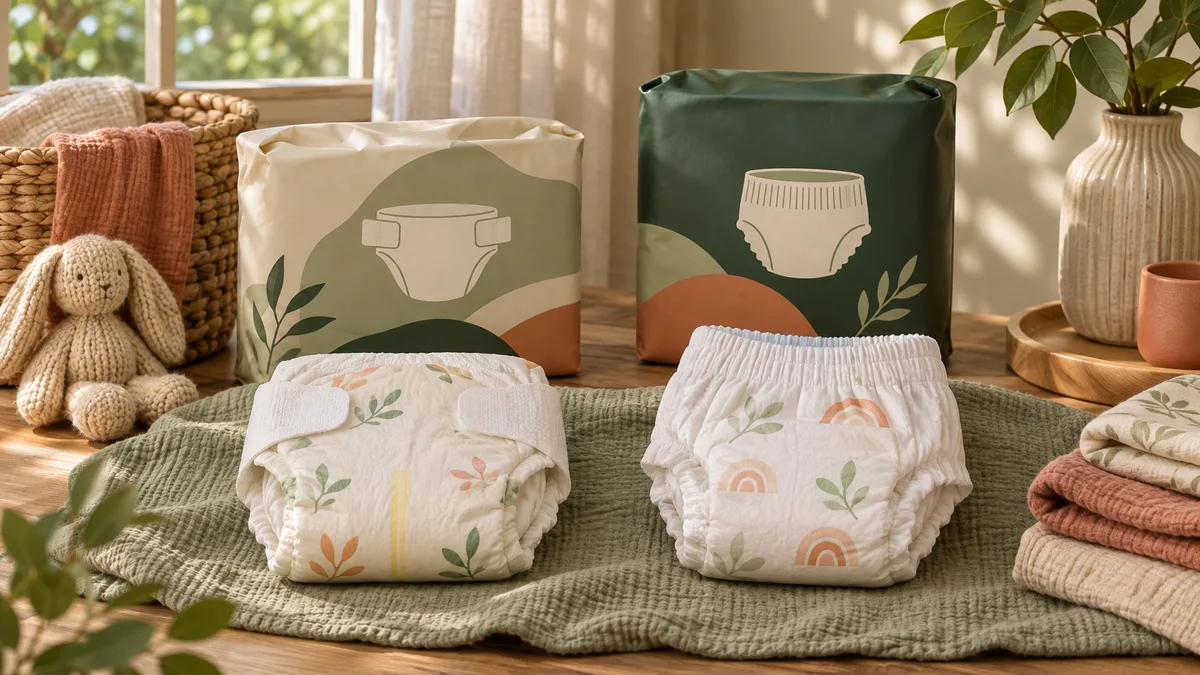
Tabs or pull-on: compare the actual opening method
Choose a format using the exact product directions and the practical changing setup. A pull-on name does not establish a universal fit or a training milestone.
Read size and weight ranges by product line
A size number is a product label, not a universal measurement. Check the exact line, market and current package before using a weight range.
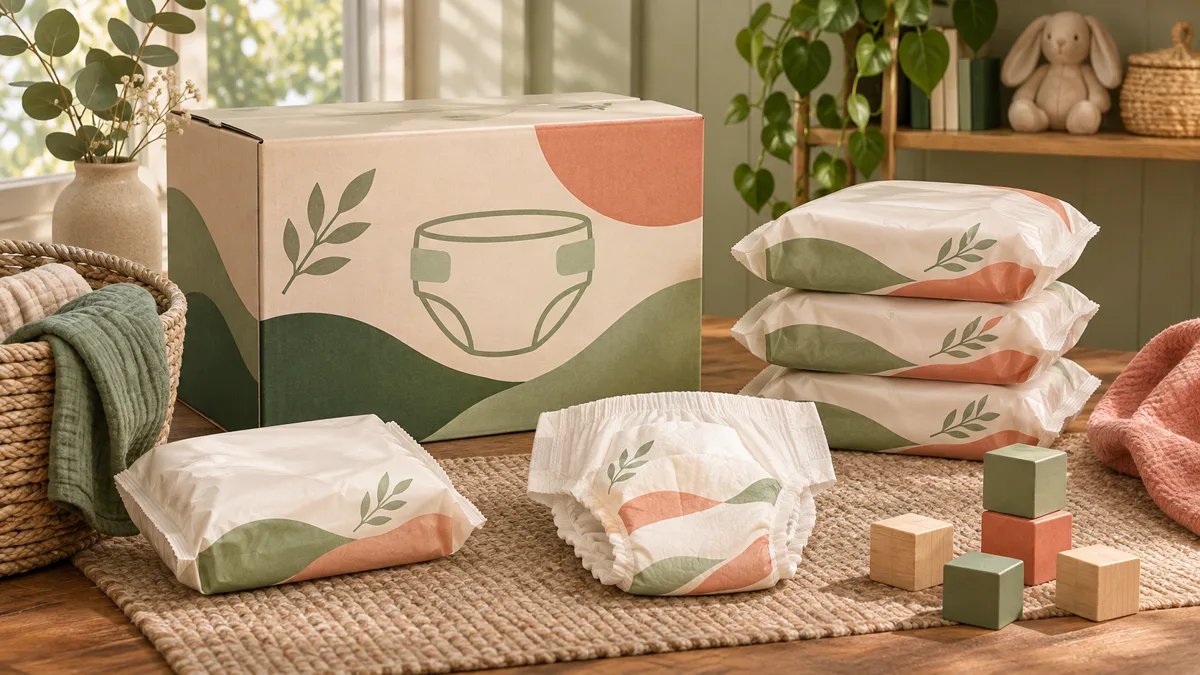
A pack, box and case need a total-piece count
Compare the actual number of diapers in the selected purchase unit. The same size number can be sold in several counts.
Use cost per diaper before comparing a discount
Divide an obtainable price by the selected total diaper count. Keep delivery, tax and conditional benefits separate.
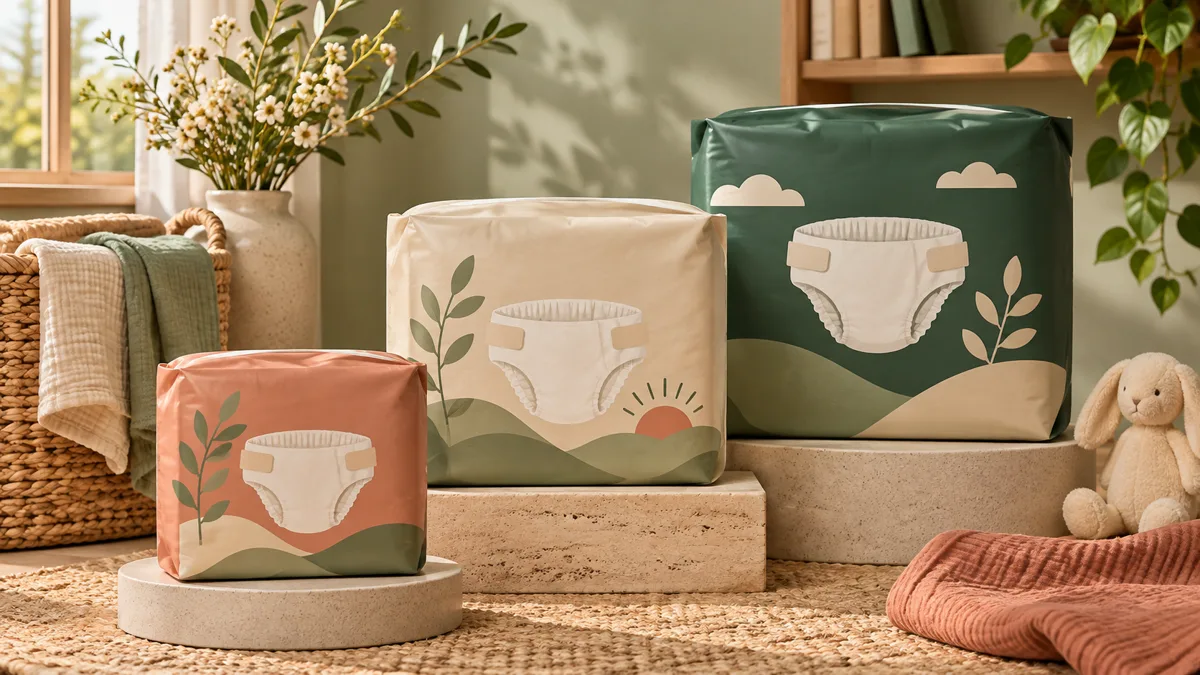
Why the count changes when the size changes
A box design or common headline price does not mean the same number of diapers in every size. Read the selected size/count pair each time.
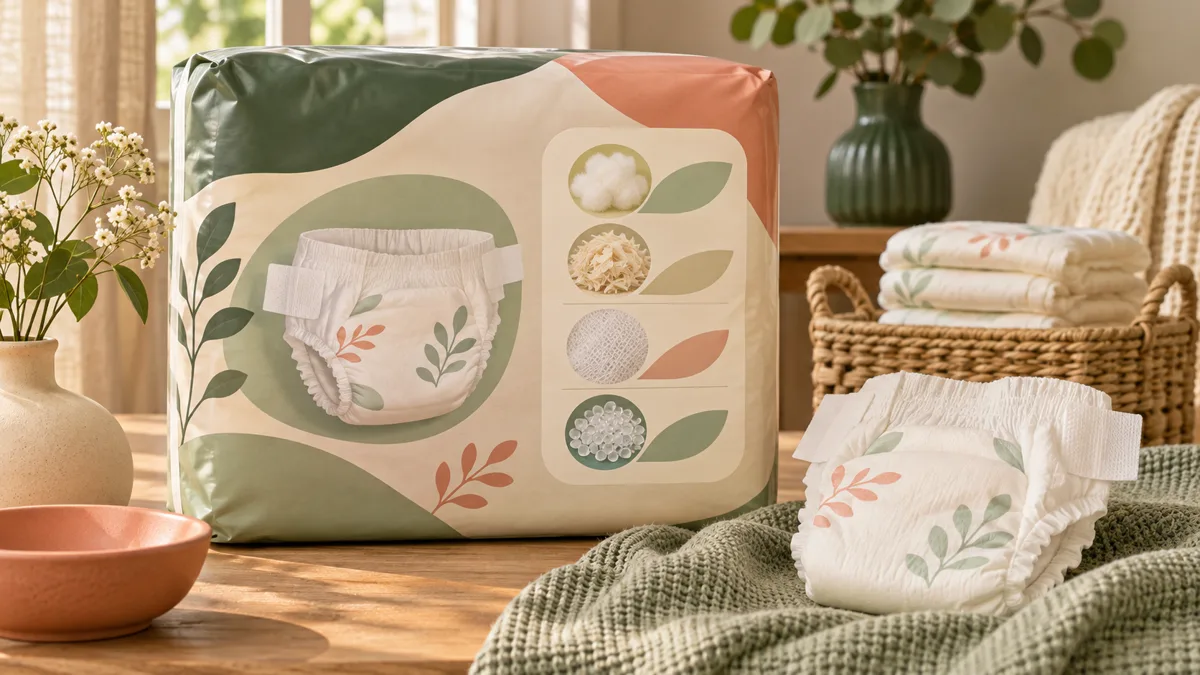
Read material statements at the exact product level
A brand-wide material page can provide context, but the current selected product label is still important. Do not invent a complete formula from a few highlighted materials.
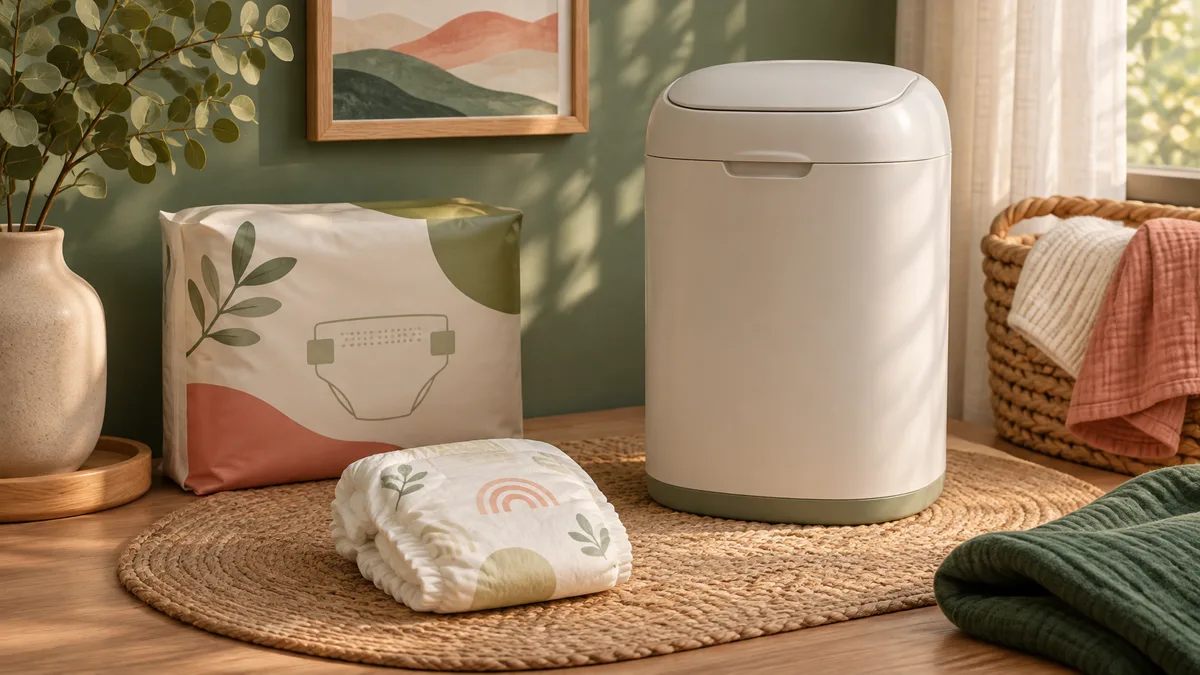
Plan disposal around the actual product and setting
Keep disposable diapers and their wrappers out of children’s reach and use the appropriate waste setup. A product format does not change local disposal instructions.
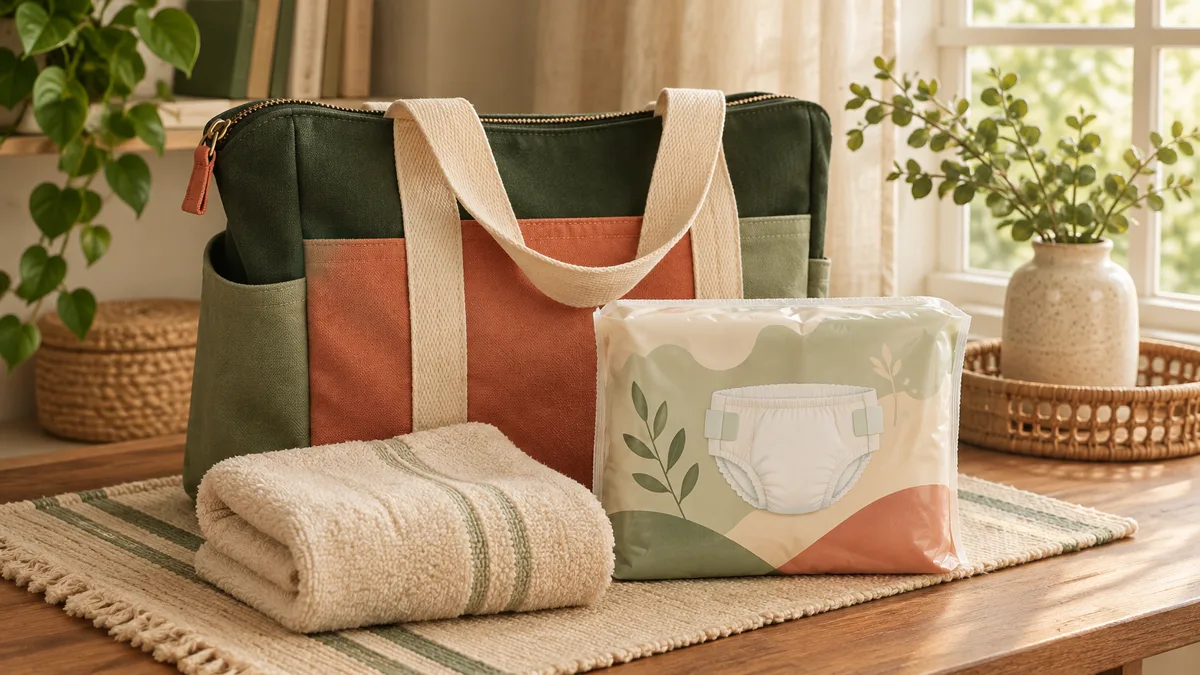
Travel purchases: compare space and quantity commitment
A smaller sealed pack can be practical for a bag or short trip, but no universal daily diaper count belongs in a shopping calculator.
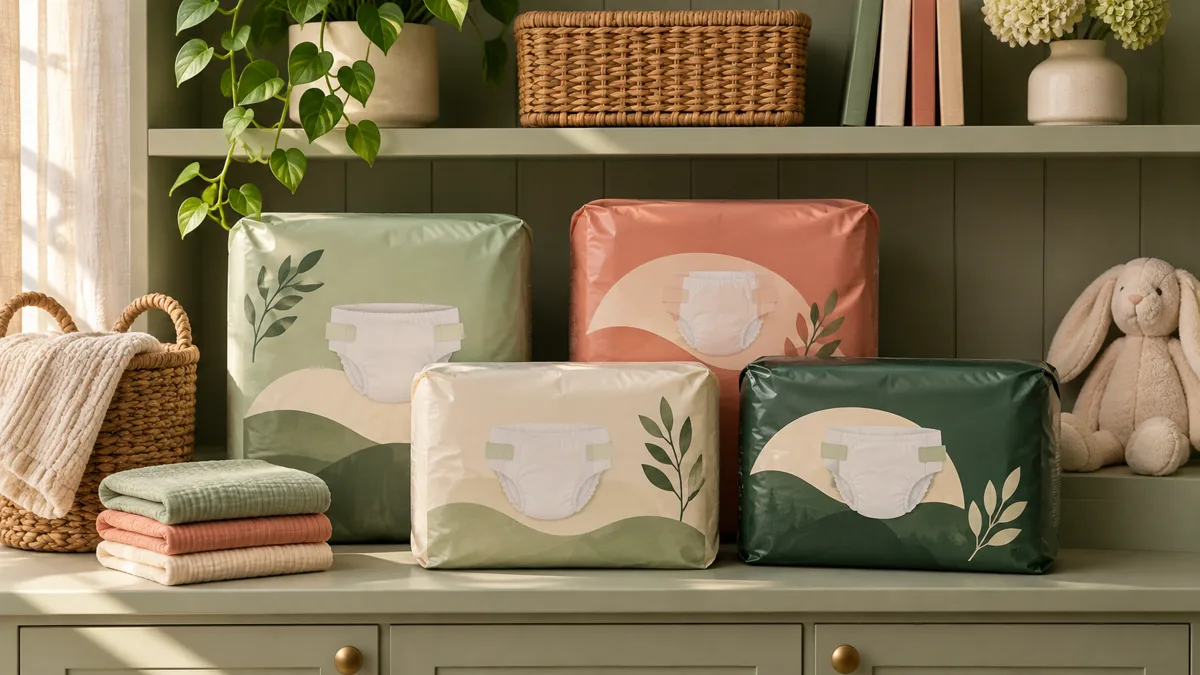
Organize sealed stock by line and size
A useful shelf record distinguishes actual products and sizes. It should not treat all diapers in the house as interchangeable stock.
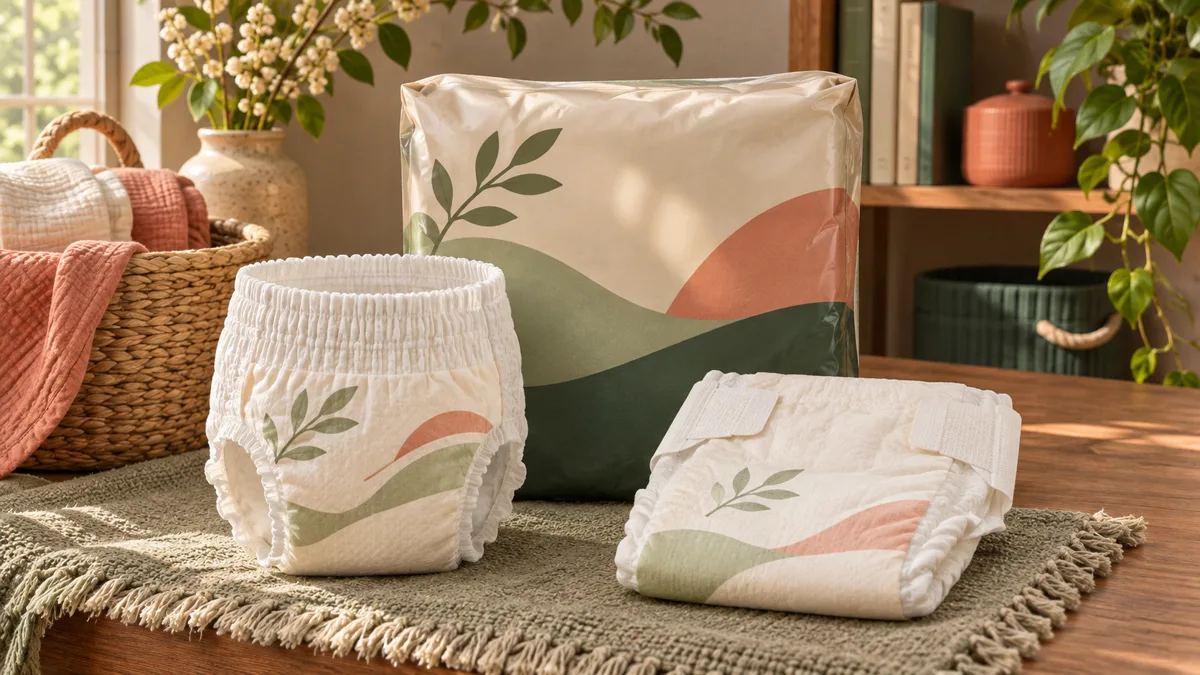
Pull-on diapers and training pants are different purchase categories
Read the intended use and current line name. A pants-style silhouette alone does not establish toilet-training purpose or a developmental benefit.
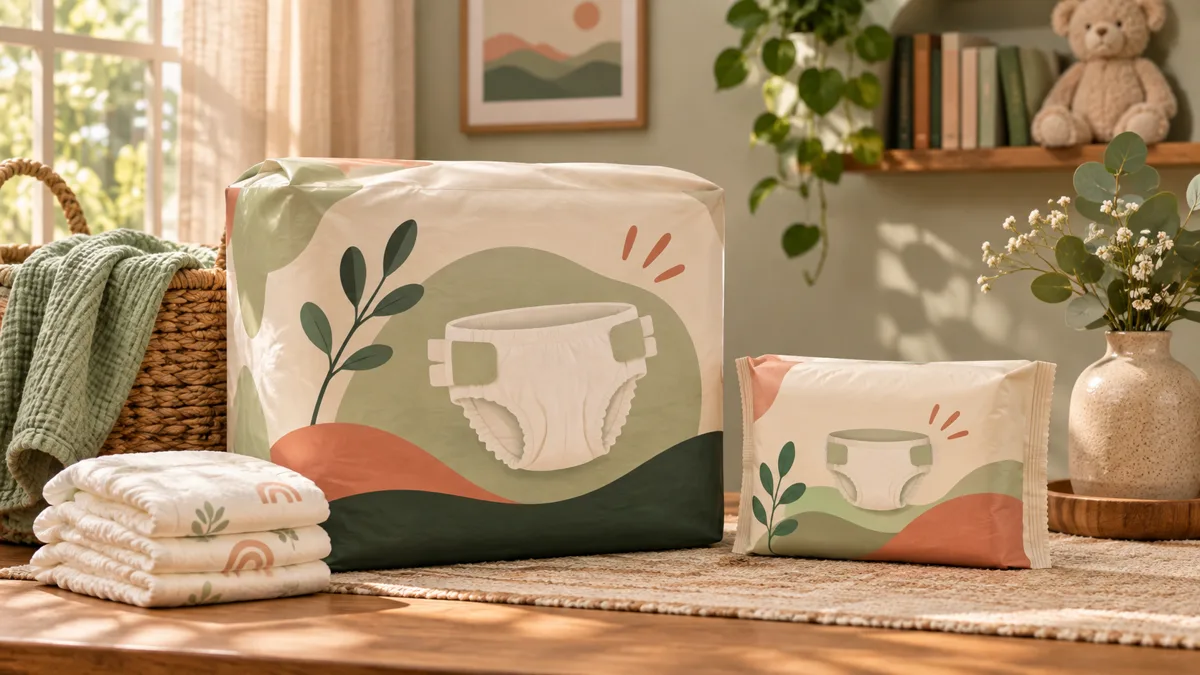
Bulk boxes: compare unit savings and usable commitment
A lower cost per diaper can come with more stock in one size. Compare both the spend and the quantity you can reasonably use.
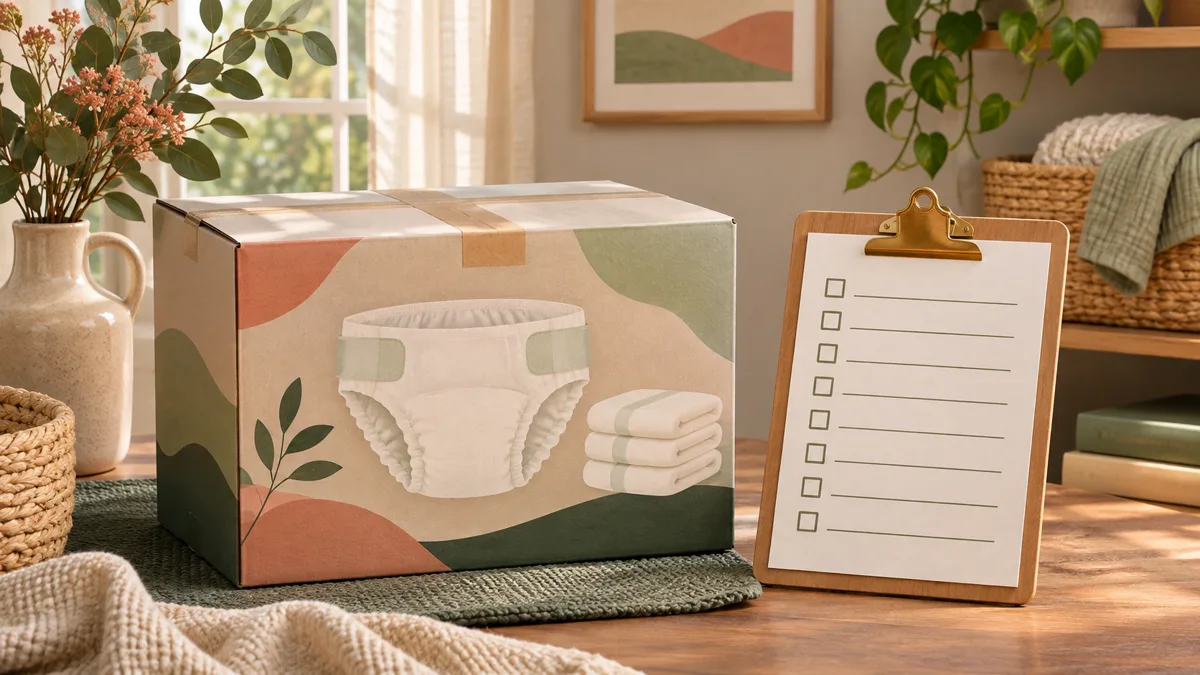
Check line, size and count before storing a delivery
A familiar brand logo is not enough to verify the order. Compare every selected field with the received package.
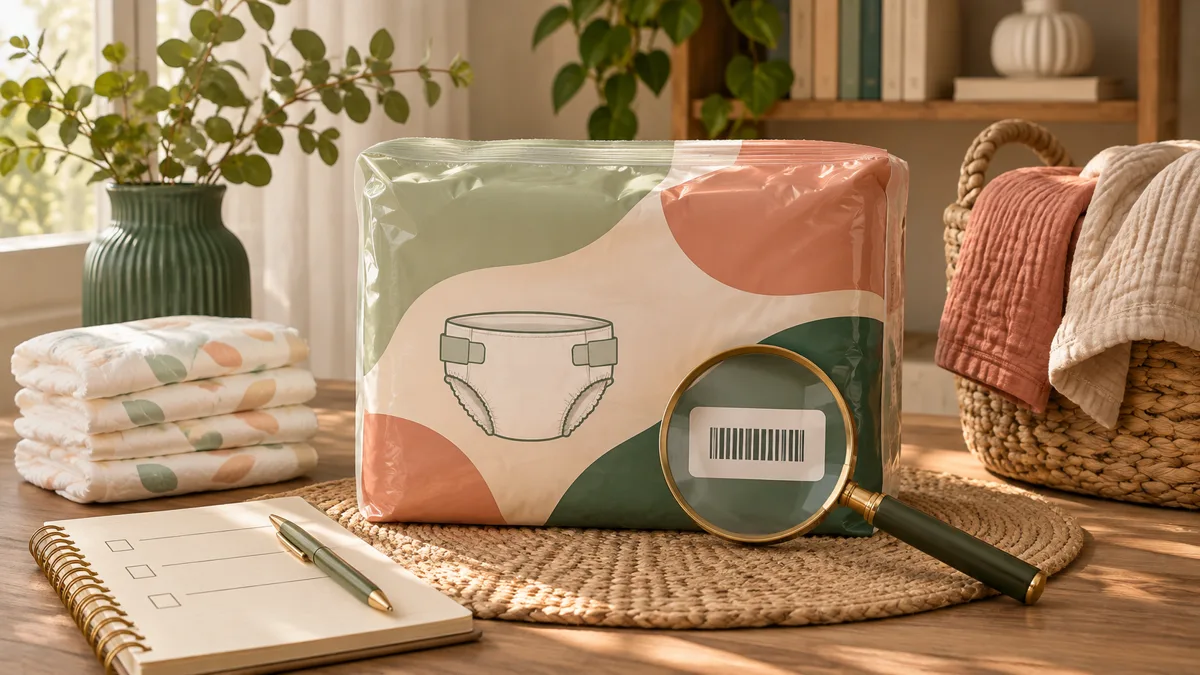
Keep lot details for a product concern or notice
Use the exact brand, line, size and identifiers when investigating a notice. A brand-name search is not a certificate that an individual package is clear.
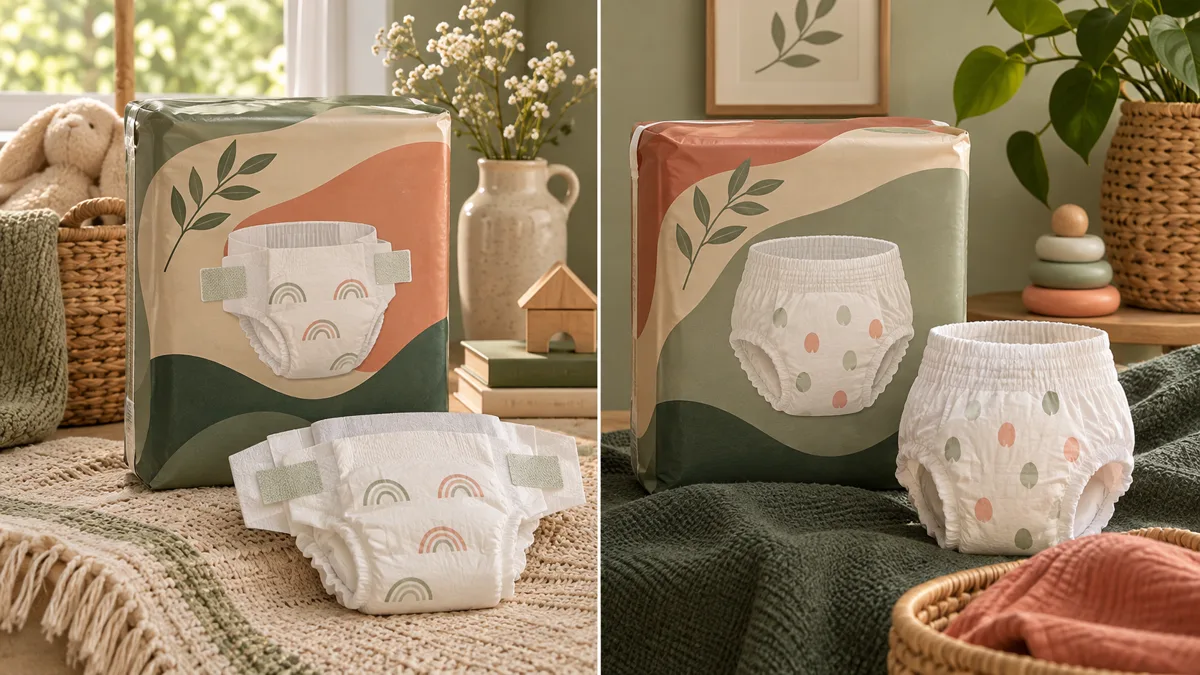
Daytime, overnight and swim labels need separate context
A shared size number does not make every diaper category equivalent. Read the intended use and directions for the exact line.
Separate a subscription from the ordinary purchase price
A recurring order has timing, renewal and cancellation conditions. Compare them separately from the displayed buy-once amount.
Track usable pieces, then make your own assumption
Count actual usable diapers by line and size. A stock scenario should begin with what you have, not an age-based daily-use recommendation.
Order whole packs without hiding the extra pieces
The number of pieces needed in a scenario may not be a multiple of the pack size sold. Show the gap and the whole-pack result separately.
An absorption claim is not our test result
Keep the manufacturer’s wording and conditions with the exact product. Do not convert a marketing phrase into a guarantee or a care instruction.
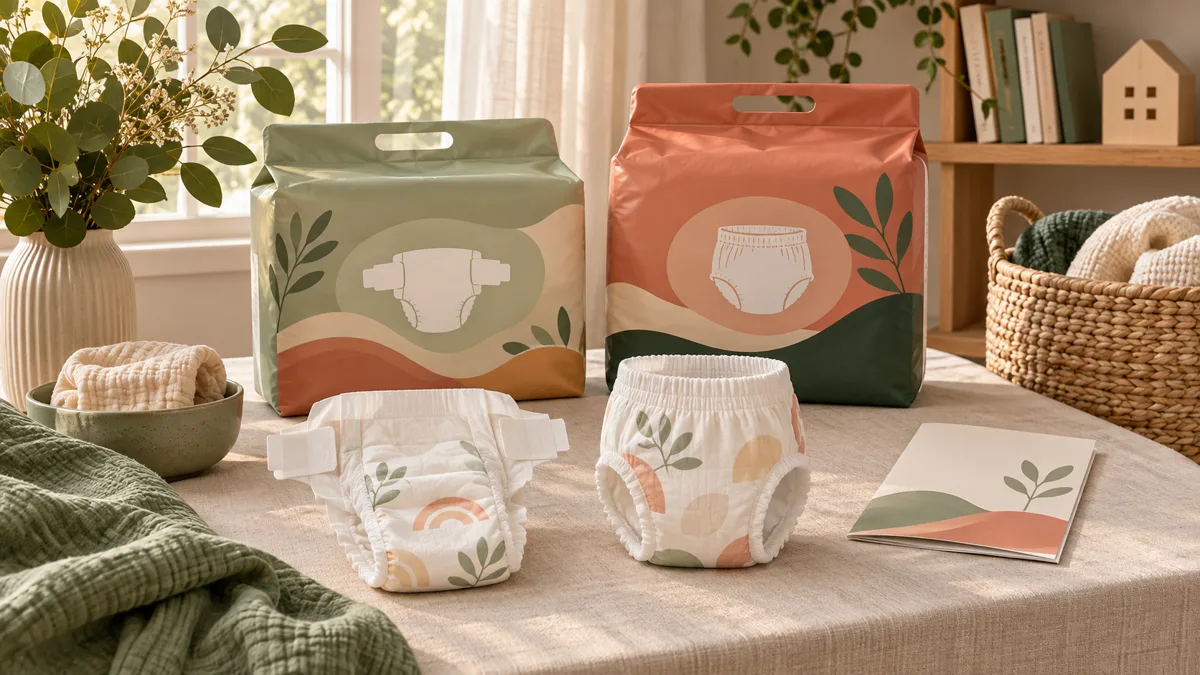
Read the current opening directions after a packaging change
A product can change a tab or disposal design while retaining a familiar line name. Use the actual instructions on the current pack.
A dated price snapshot with every count visible
These are displayed US retailer observations, not current checkout quotes, clinical rankings or approved affiliate offers.